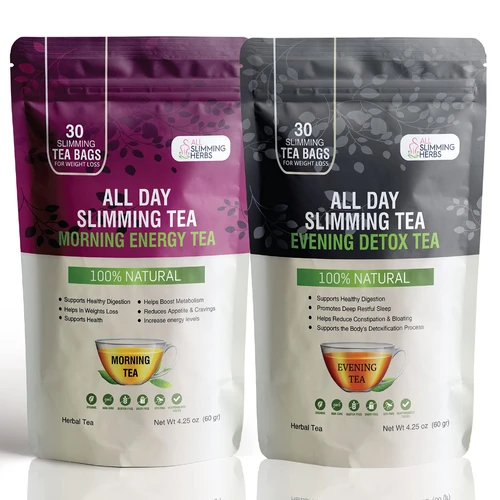
Buy Now

Understanding Slimming Tea: Weighing Risks, Effectiveness, and Safe Weight Loss Alternatives

Explore the facts about slimming tea, its potential benefits, and healthier approaches to weight management

Based on scientific research and real user experiences

Learn More
Cup of slimming tea with natural ingredients

Introduction

The world of weight loss constantly evolves, and slimming tea has emerged as a hot topic in diet management circles. Many are intrigued by its promise of rapid weight loss and detoxification. However, key terms such as slimming tea, detox tea, and health concerns are at the core of the debate. This article unpacks the benefits, risks, and practical alternatives.

What is Slimming Tea?

Definition and Background

Slimming tea refers to a blend of herbal ingredients marketed primarily for weight loss and detox effects. Common components include senna, green tea, and other botanicals believed to boost metabolism and promote digestion. These teas are often touted as natural laxatives with claims of immediate results.

Popular Claims and Usage

Many manufacturers and influencers advertise slimming tea as a miracle solution for fat-burning and appetite suppression. Claims include boosting metabolism, detoxifying the body, and offering rapid weight loss. Variations are often labeled as detox tea or fat-burning tea.

Various herbal ingredients used in slimming tea

Health Concerns

Potential Risks and Side Effects

Despite its popularity, slimming tea is not without risks. Many users report adverse effects such as dehydration, water loss, and electrolyte imbalances. The natural laxatives in these teas may lead to abdominal pain and digestive issues.

Legal Issues and Advertising Claims

There have been multiple class action lawsuits and investigations concerning the advertising practices of slimming tea products. Some companies have been accused of making false claims related to immediate weight loss and the overall effectiveness of the product.

Underlying Health Conditions and Precautions

Individuals with pre-existing health conditions, such as kidney issues or gastrointestinal disorders, should exercise caution when considering slimming tea. These users may experience heightened risks of dehydration and electrolyte imbalance.

Effective Weight Loss Strategies

Evidence-Based Findings on Weight Loss

Scientific studies suggest that while slimming tea can result in short-term weight loss, most of the initial drop is due to water loss rather than fat reduction. In contrast, long-term weight loss is best achieved through a balanced diet, regular exercise, and sustainable lifestyle changes.

Debunking Myths

Many myths surround the concept of a "miracle" weight loss solution through slimming tea. The promise of immediate, dramatic results is often misleading, as real fat reduction requires consistent caloric control and physical activity. Instead of relying solely on slimming tea, most experts recommend a holistic approach.

Diet Management Tips

Integrating Slimming Tea into a Balanced Diet

For those choosing to incorporate slimming tea into their regime, moderation is key. Integrate it as an occasional supplement rather than a daily fix, ensuring that a nutrient-rich diet supports your overall health. Pairing slimming tea with balanced meals helps maintain steady energy levels.

Complementary Strategies for Sustainable Weight Loss

Long-term success in weight loss involves more than just a quick fix. Incorporating exercise, practicing portion control, and monitoring your calorie intake can significantly boost your metabolism. These strategies, when paired with occasional use of a product like slimming tea, create a comprehensive weight loss approach.

Balanced meal with healthy ingredients alongside slimming tea

Safe Alternatives to Slimming Tea

Comparing Detox Tea and Herbal Supplements

While detox tea and herbal supplements offer popular alternatives to slimming tea, their safety profiles differ. Detox teas often consist of milder ingredients, whereas some slimming teas contain potent natural laxatives. Consumers seeking safer solutions should opt for herbal supplements that emphasize overall wellness.

Lifestyle Adjustments and Professional Guidance

For those wary of quick fixes, establishing a diet management plan combined with regular exercise offers the best path to sustainable weight loss. A consultation with a healthcare professional or nutritionist can provide tailored advice, ensuring that any supplement is used appropriately within your overall strategy.

What Users Are Saying

I've tried several weight loss products, but focusing on a balanced diet with slimming tea as an occasional supplement worked best for me. The key was moderation and realistic expectations.

Sarah J.

After consulting with my nutritionist, I incorporated slimming tea as part of a comprehensive weight management plan. It's not a miracle solution, but it can complement healthy habits.

Michael T.

I experienced some initial weight loss with slimming tea, but sustained results came when I combined it with regular exercise and mindful eating. Don't expect overnight changes.

Elena R.

Consumer Experiences and Debunking Advertising Myths

User Testimonials and Real-World Results

Many users have shared their experiences with slimming tea online, with results varying from temporary water weight loss to minimal changes in body fat. Personal testimonials urge caution, highlighting that results are often short-lived unless complemented by a healthy lifestyle.

Critical Review of Advertising Claims

Advertising for slimming tea often touts "immediate weight loss" and dramatic results, which are largely unsupported by scientific evidence. A critical review reveals that while these teas can contribute to temporary slimming, they are not a substitute for disciplined weight loss routines.

Conclusion and Final Recommendations

Summary of Key Findings

In summary, slimming tea offers a complex mix of benefits and risks. While some users may notice temporary results, issues like dehydration and false advertising remain major concerns. Meaningful weight loss is best achieved through long-term lifestyle changes, combining healthy eating, exercise, and professional guidance.

Call-to-Action for Informed Choices

Before incorporating slimming tea into your routine, research thoroughly and consult with professionals about its risks and benefits. Embrace comprehensive diet management practices and sustainable exercise habits to meet your weight loss goals.

Make Informed Choices

FAQ

What is slimming tea and how is it supposed to work for weight loss?

Slimming tea is a herbal blend marketed to boost metabolism, promote detoxification, and reduce appetite. It typically contains natural laxatives and botanicals believed to aid digestion, but its primary effect might only be temporary water weight loss rather than significant fat reduction.

What are the most common health concerns associated with consuming slimming tea?

Common health concerns include dehydration, electrolyte imbalances, abdominal pain, and digestive issues. The natural laxatives in slimming tea may lead to water loss and can pose risks, especially for individuals with pre-existing health conditions.

How can slimming tea be safely integrated into a diet management plan?

It is best to use slimming tea in moderation and alongside a balanced diet. Ensure that you're consuming nutrient-rich foods and staying properly hydrated. Consulting a healthcare professional prior to use can help tailor a safe weight management plan that minimizes risks.

Are there proven alternatives to slimming tea that offer sustainable weight loss benefits?

Yes, sustainable weight loss is more reliably achieved through a combination of balanced nutrition, regular exercise, and lifestyle changes. Herbal supplements with milder ingredients, together with professional guidance, can offer effective alternatives without relying on quick fixes.

What does the scientific evidence say about the effectiveness of slimming tea?

Scientific studies generally indicate that slimming tea provides only temporary weight loss, mostly due to water loss rather than a reduction in body fat. Researchers emphasize that long-term, sustainable results require a balanced diet, calorie control, and regular physical activity.